INSIGHTS FROM ASIA
Kyoto Journal is an award-winning,
quarterly magazine founded in Kyoto, Japan,
presenting cultural and historical insights from
all of Asia since 1987.
- ALL
- FICTION, POETRY & REVIEWS
- HIDDEN JAPAN
- IN TRANSLATION
- INSIGHTS FROM ASIA
- OUR KYOTO
- TOKONOMA
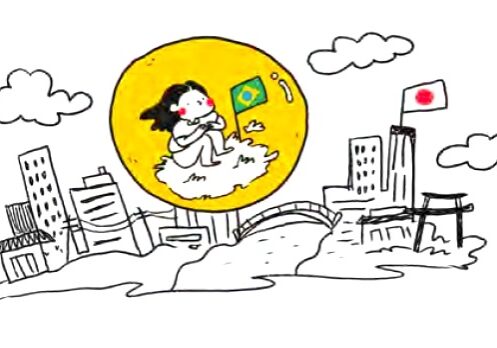
The Japanese Diaspora in Japan
What does it mean to be Nikkei, a member of the Japanese diaspora? By being simultaneously Japanese and non-Japanese, Nikkei are forcing a re-evaluation of Japanese identity.
Japanese identity is complex and often oversimplified, its nuances underappreciated. Through interviews with Nikkei—particularly those who have returned to their ancestral homeland—I hope to shine a light on their experiences as outliers of Japanese identity, find common threads, and gain a deeper insight into the edges and unspoken essence of Japaneseness—what it means to be Japanese.
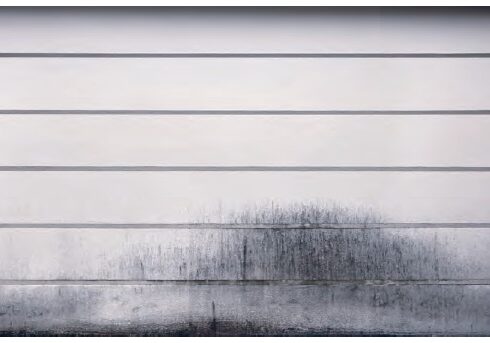
White Lines
Horizontal lines on an earthen wall. Found on the outer walls of temples, some shrines, and the Imperial Palace, these lines indicate close historical ties to the Imperial family. Some temples have three or four lines, but the walls of monzeki jiin, where members of the Imperial family have served, are decorated with five.
Throughout the city of Kyoto, these lines are so ubiquitous as to go unnoticed by visitors and residents alike. For me, they have a mysterious beauty. Amidst all the classic scenes of Kyoto, I have found myself photographing these simple walls again and again. They are images which were literally painted by the weather.

Kagami: the Resonance of Ryuichi Sakamoto
Wearing a black suit and tortoiseshell glasses, he leans over a grand piano. Spotlit, his neatly cropped silver hair shines in the distance. Coming closer, I can see freckles on his pale face. He lifts his hands, lets them fall on the glossy keys, and begins ‘Before Long,’ the first of ten solo pieces he will play tonight. I can see the hammers of the Yamaha twitch.
How is this possible? The piano was not in the theater minutes earlier. And the musician—Ryuichi Sakamoto—passed away in March of 2023. Is he real? Is he present in this room? He can’t be, of course. But what does it mean to be present? To be real? The music, the sound waves, are alive. Is his spirit encoded in these frequencies and amplitudes?
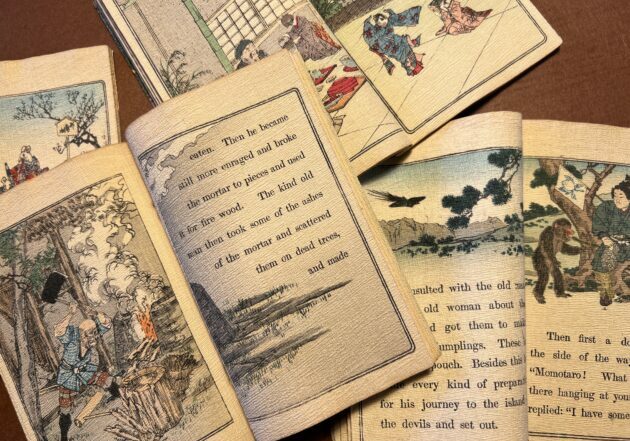
Cultural Fluidity/First Experiences
“What is your oldest memory of something Japanese? What cultural product, news story, food, or schoolbook can you recall encountering as a child?”
To expand on the theme of cultural flow, we asked this question of all KJ 106 contributors and staff. Their answers, a small sampling of experiences, are microcosms of how Japanese culture has diffused around the globe and how this flow has changed over the last century. In many cases, those things remembered were only later discovered to be Japanese.
Reminiscing Ryoma
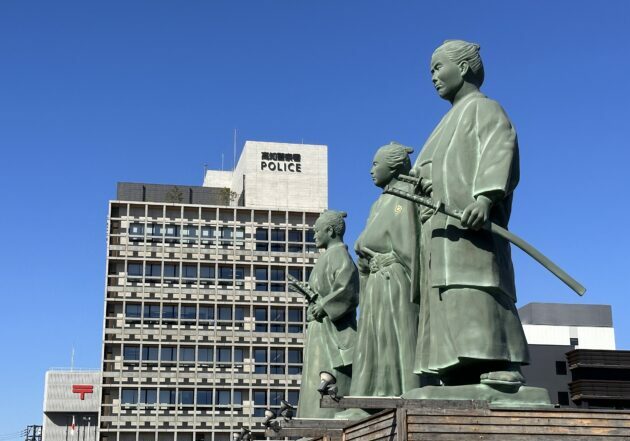
Ryōma was born in 1836 to a family that held the lowest rank in the samurai hierarchy, a title purchased by an ancestor who had made his name as a sake brewer. Despite these humble beginnings, Ryōma went on to become a master swordsman, and in recognition of his skill, his Tosa clan allowed him to continue his training in Edo. It was during his time in the old capital that American Naval Commodore Matthew Perry sailed to Japan to forcibly end the shogunate’s policy of national isolationism.
Searching for the Self
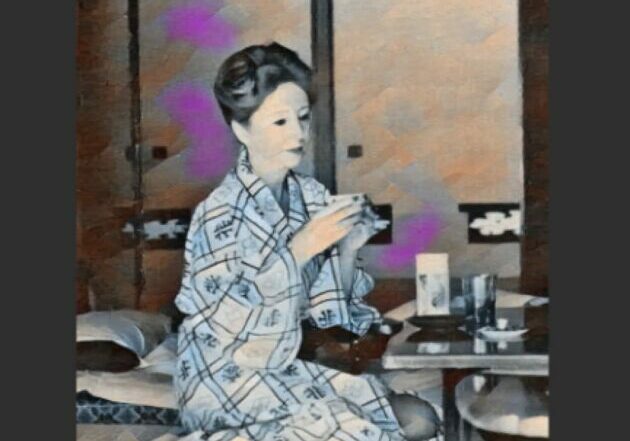
“In Japan,” the French-born American novelist and diarist Anaïs Nin writes in her Diary in the summer of 1966, “I had a weeping fit. The sweetness, kindness, consideration touched me. For once in my life I felt I was treated as I always treated people.”
Invitation to contribute – KJ 107 (Fire & Kyoto)
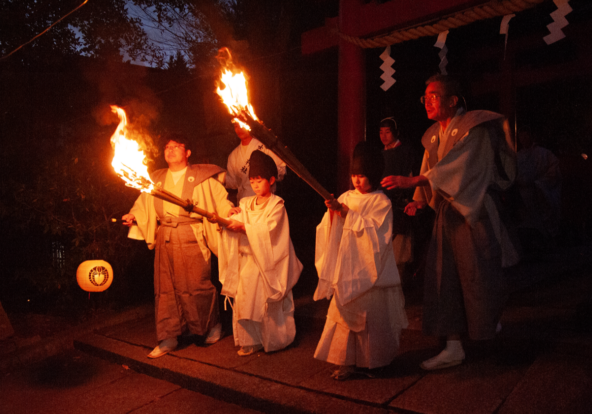
Fire transforms, renews and purifies. It is deeply embedded in the culture of Kyoto as a powerful destructive force, sacred agent and essential component of everyday life. The Repeated disastrous conflagrations over its long history have left an indelible mark on the psyche of the city, even today. Fire remains an integral part of spiritual and cultural practices in Kyoto, and the prevention of fire is an ever-present concern.
Trigger of Light
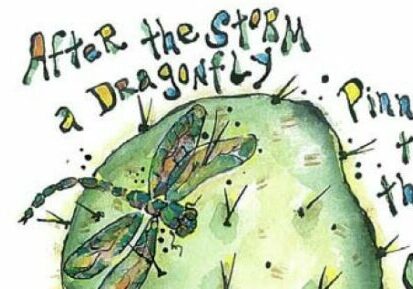
I live in the spare, high desert of the American Southwest, a land of apparent and often illusory emptiness, a blinding bowl of light that triggers one to write with an economy of words. The eye follows winding arroyos, mouse tracks, and blowing seed. The breath gathers momentum along ridges, faults, and prehistoric waterlines. Fossils scatter at the feet, clay shards glisten after a sudden rain.
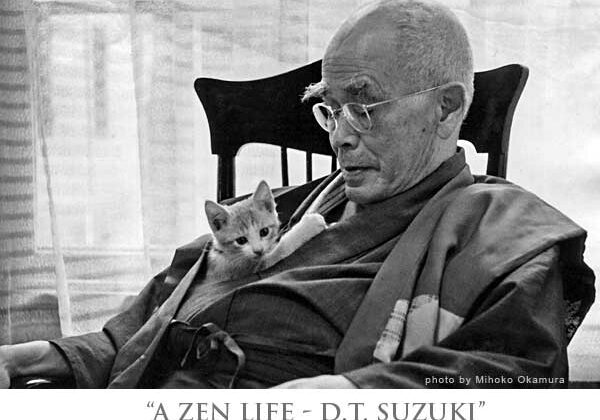
A Zen Life: D.T. Suzuki
As a Nowhere Man, Suzuki was the perfect catalyst for an emerging Western strata of neo-transcendentalists, heirs to Emerson, Thoreau, Whitman, yet burdened with a psychological stigma as America gazed West across the Pacific and envisioned an Asia in ruins.

Thorns of Suffering
Hiromi Ito’s remarkable work, The Thorn Puller, takes readers on a pilgrimage across time, space, and literary genres. First serialized between 2006 and 2007 in the magazine Gunzō as Thorn Puller: New Tales of the Sugamo Jizō (Toge-nuki Jizō: Shin Sugamo Jizō engi), the work won the Hagiwara Sakutarō Prize in 2007 and the Murasaki Shikibu Prize in 2008 before appearing as a single volume published by Kōdansha in 2011.

Photography Without Borders: Kyotographie 2023
One of the pleasures of KYOTOGRAPHIE has always been the opportunity to explore Kyoto spaces that are not normally open even to longtime residents, and to appreciate the imaginative ways in which the exhibitions have been staged in them. This year, the number of main venues has expanded to 15, while their geography has contracted, presumably to accommodate the influx of day trippers and international visitors. At the same time, the number of KG+ satellite exhibitions in far-flung locations around town has increased to 92, in addition to the 10 KG+ Select and 9 Special exhibitions.
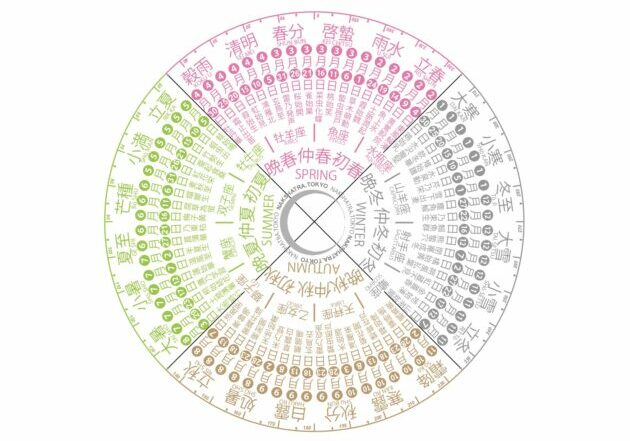
The 72 Japanese micro-seasons
Ever since our ancestors gazed skywards or closely observed the wonders of the natural world around them, they saw patterns in cycles and found ways to recall them. Different cultures around the world have developed systems to mark the passage of time, and every calendar reveals something about how the people who created it related to the world around them. The ancient Japanese almanac of 72 micro-seasons provides a map of time that is a fascinating mixture of culture and nature.
on the blog
Bringing the delights of hojicha tea to the West
Torontoites and hojicha lovers Danielle Geva and Francois Mathieu wanted to make freshest, most authentic roasted Japanese green tea available outside Japan.
Take a Gourmet Journey through Japan with Kokoro Care Packages
We filmed our unboxing of the monthly themed box of quality Japanese ingredients and treats from Kokoro Care Packages. Find out more and subscribe to receive next month's package straight from Japan!